Anthropic Shows Claude Can Autonomously Design Protein Binders
Anthropic said Claude Opus 4.8 and Mythos Preview designed working protein binders against 14 of 15 targets in independent wet lab tests, with hit rates of 22
By AI World
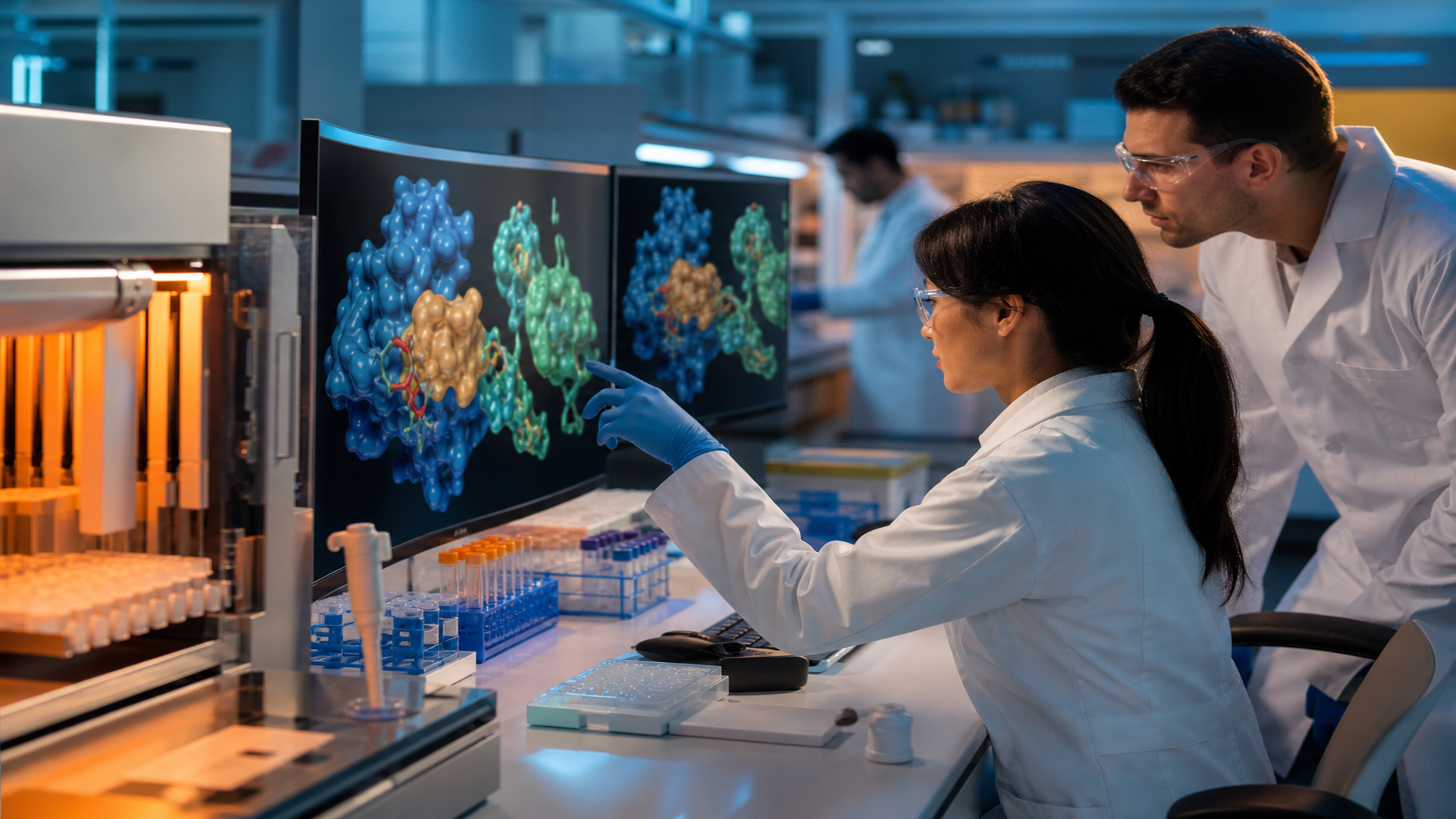
🧬 Anthropic reported Monday that Claude Opus 4.8 and Mythos Preview autonomously designed de novo protein binders against 14 of 15 targets, with wet lab validation from Adaptyv Bio and Twist Bioscience. The models ran 24-to-48-hour campaigns inside **Claude Science**, orchestrating open-source **protein design** tools and delivering 30 ranked candidates per target without human design input.
Protein binders latch onto molecular targets and represent an early step in drug development that has traditionally required weeks or months of specialist work per target. Anthropic said hit rates ranged from 22.6 to 35.1 percent depending on setup, compared with the 10 to 15 percent typical in the field. On RBX1, 28 of Claude's 90 designs bound, and the tightest hit measured 3.9 nanomolar affinity against 45 nanomolar for a recent competition winner.
The company also tested Claude Opus 5 on analytical chemistry, giving the model raw NMR and LC-MS files from a contract laboratory. With a two-sentence prompt, Claude returned finished analyses in 19 and 23 minutes, matching the lab on hydrogen counts and reporting 96.4 percent purity versus 96.33 percent from human analysts.
Anthropic acknowledged limits, including zero confirmed binders against maltose-binding protein, and stressed that a high-affinity binder is not a drug. The **protein design** capability remains restricted while Anthropic prepares a scientist access program, citing dual-use risks in autonomous biological research.