Evergrande Founder Sentenced to Life, Shaking China's Property Market
The life sentence of Evergrande's founder marks a pivotal moment for China's property sector, raising questions about the future of global economic relations.
By USA Pulse
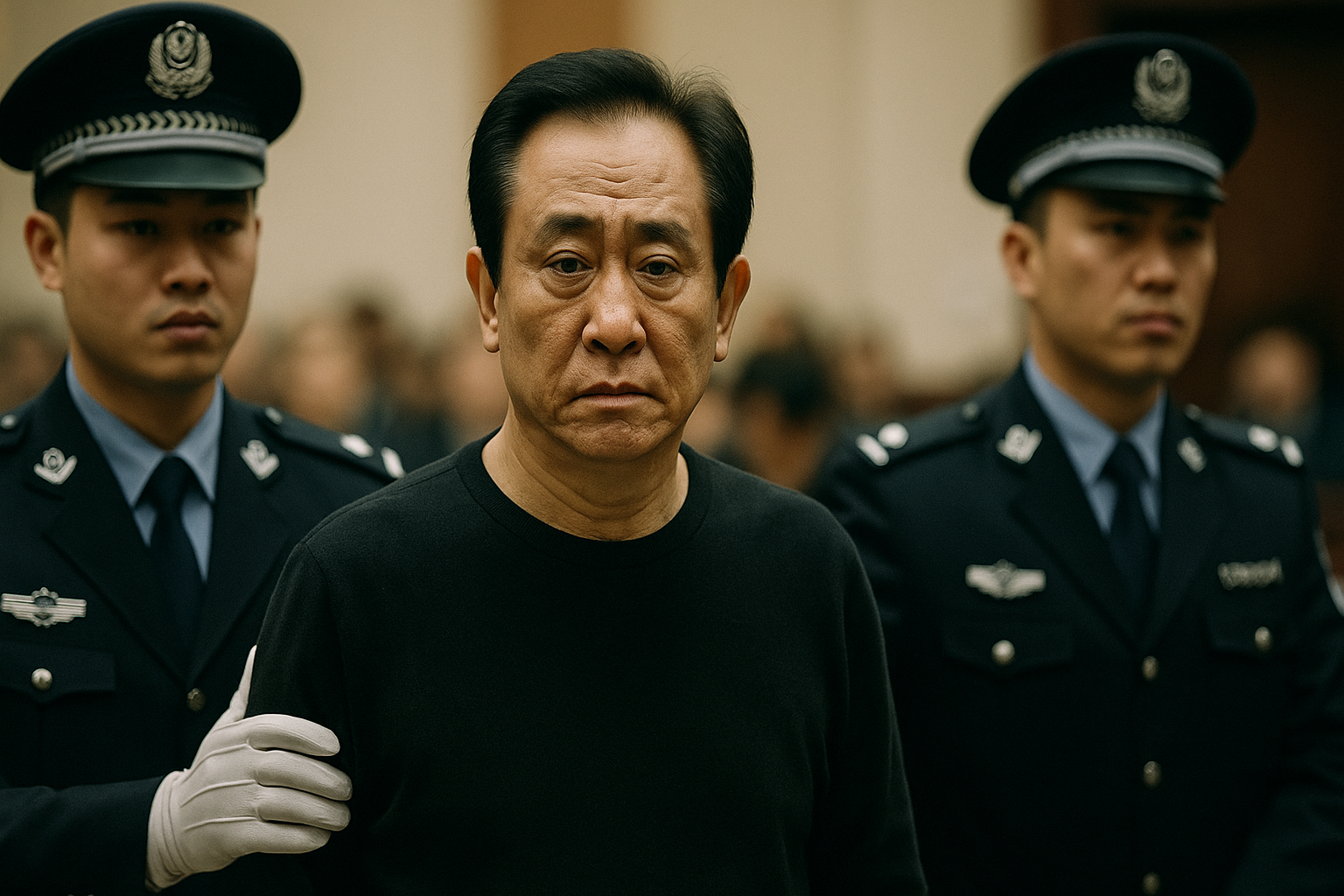
The sentencing of **Hui Ka Yan**, the founder of Evergrande, to life in prison has sent shockwaves through **China**'s property market and beyond. Once a symbol of **China**'s economic rise, Evergrande's collapse has become emblematic of the country's broader real estate crisis. Hui's conviction for fraud underscores the Chinese government's crackdown on corporate malfeasance, but it also raises concerns about the stability of **China**'s property sector and its ripple effects on the global **economy**.
According to **The New York** Times, Hui's life sentence comes after he pleaded guilty to fraud, a charge that highlights the severe financial mismanagement within Evergrande. The company's downfall has left countless projects unfinished and investors in the lurch, illustrating the fragility of **China**'s heavily leveraged property market. This sentencing is seen as a warning to other Chinese conglomerates, signaling that the government is serious about cleaning up the sector.
The implications of this legal action extend beyond **China**'s borders. As one of the world's largest economies, **China**'s real estate market plays a crucial role in global supply chains and financial markets. The Guardian reports that international investors are closely watching how **China** handles the Evergrande debacle, as it could affect foreign investment and economic relations. The life sentence for Hui is not just a domestic issue; it's a global economic event that could reshape perceptions of risk in investing in China.
While…