False AI Intel Nearly Triggered U.S. Intercept of Chinese Ship
A Special Operations Command analyst used a chatbot to misread a Chinese vessel's manifest as nuclear cargo, aborting a last-minute intercept during the Iran
By AI World
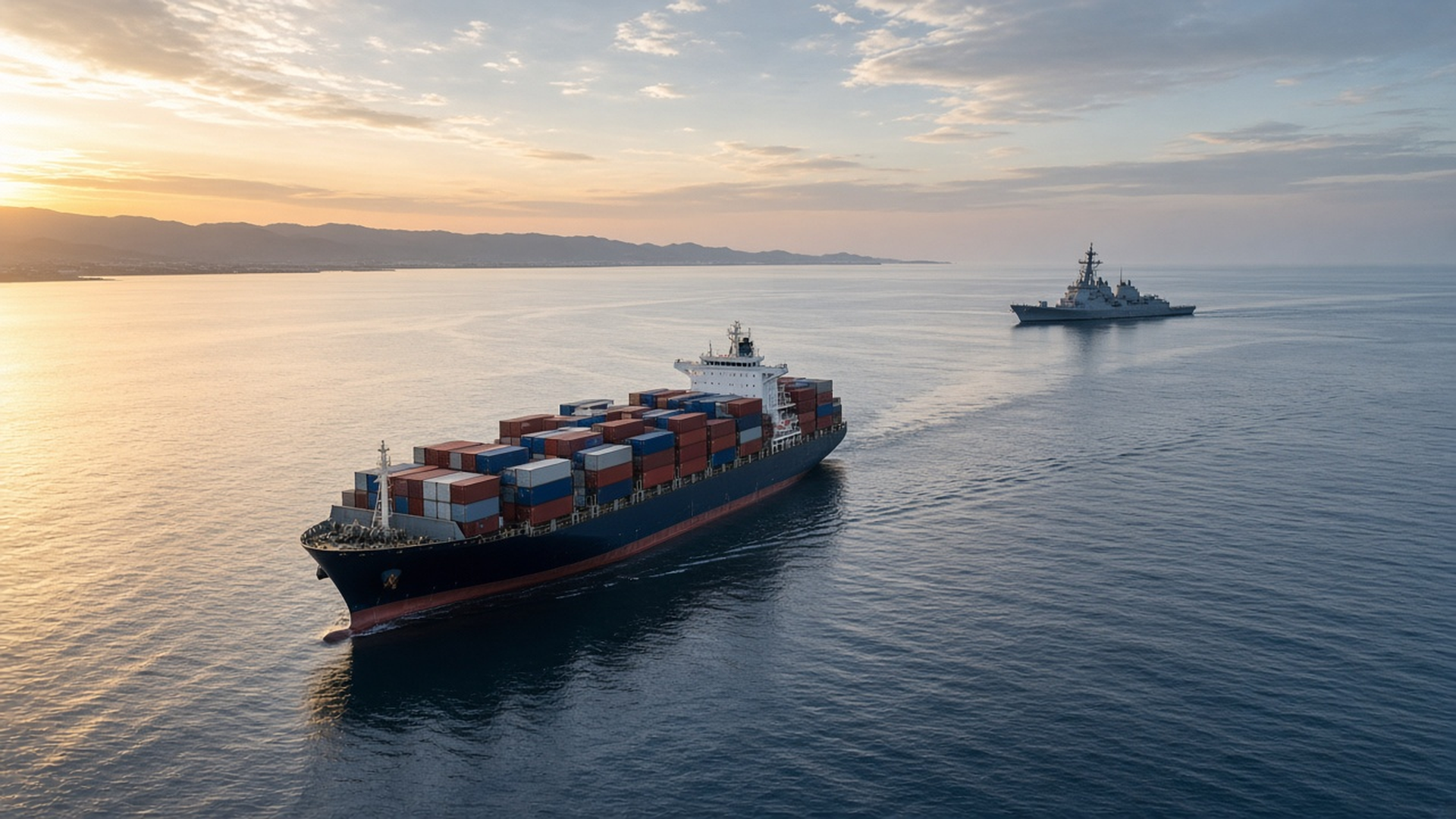
🚨 A **U.S. Special Operations Command** analyst nearly set off an armed confrontation with **China** this spring after a chatbot hallucinated that a cargo vessel in the **Middle East** was hauling nuclear-weapons components, **CNN** reported exclusively.
The flawed assessment circulated across military channels during the war with **Iran**, prompting plans to intercept the ship. Armed boarding teams stood ready and aircraft were already airborne before officials discovered the analyst had twice relied on **AI**—first to fuse open-source data with classified signals intelligence, then to polish the error into a standard intelligence product.
One source called the report **entirely false** and said it **almost started a war**. **TechCrunch** and other outlets amplified the episode as **Pete Hegseth** pushes faster **Pentagon** adoption of AI tools without uniform verification rules for machine-generated analysis.
The incident underscores a practical risk as labs race toward autonomous agents: models can accelerate decisions while amplifying confident mistakes. **CNN** could not identify which chatbot was used or what the ship actually carried, and **U.S. **Special Operations Command** Pacific** did not comment. Defense leaders now face pressure to pair speed with mandatory human review before lethal options move up the chain. ⚠️