Google Launches Project Suncatcher to Test AI Chips in Orbit
Google's Planet-built Suncatcher satellite reached orbit aboard SpaceX Transporter-18, carrying four Trillium TPUs to study radiation, cooling, and launch
By AI World
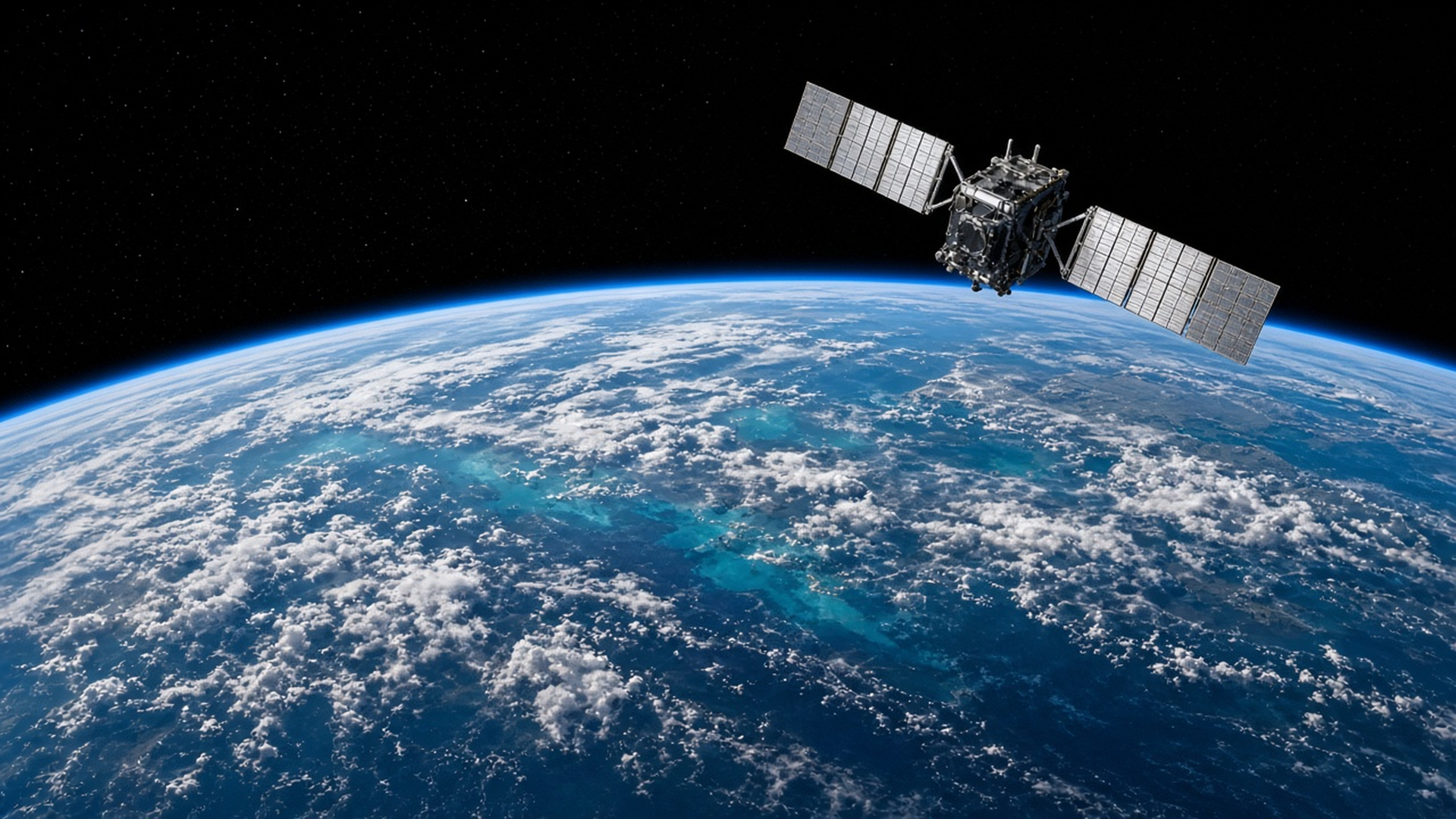
🛰️ **Google** sent its first **Project Suncatcher** prototype into orbit on October 1, opening a test of whether **Tensor Processing Units** can run machine learning in the vacuum of space.
The **Planet**-built satellite rode **SpaceX**'s **Transporter-18** mission on a **Falcon 9** from California. Engineers confirmed contact and nominal operations. Onboard are four **Trillium** TPUs—the accelerators behind much of Google's frontier training and inference on Earth.
The flight stress-tests radiation, launch vibration, and thermal limits. With no airflow in orbit, heat pipes and radiators must dump the waste heat AI silicon generates. Proton-beam work at **UC Davis** hinted the chips could survive a five-year mission dose, but live telemetry will settle the question.
Google's **Joule** paper ties the demo to a far-future vision of megawatt orbital clusters, potentially requiring thousands of **Starship** launches over many years. A **2027** follow-on satellite will trial laser links between spacecraft.
Production **Gemini** workloads remain on the ground, yet the launch is a concrete step toward AI infrastructure that might one day orbit Earth. 🔭