Samuel Tunick's Case Highlights Privacy Concerns at U.S. Customs
Samuel Tunick's felony charge for deleting phone data during a customs search raises concerns about digital privacy rights and potential legal reforms in the
By USA Pulse
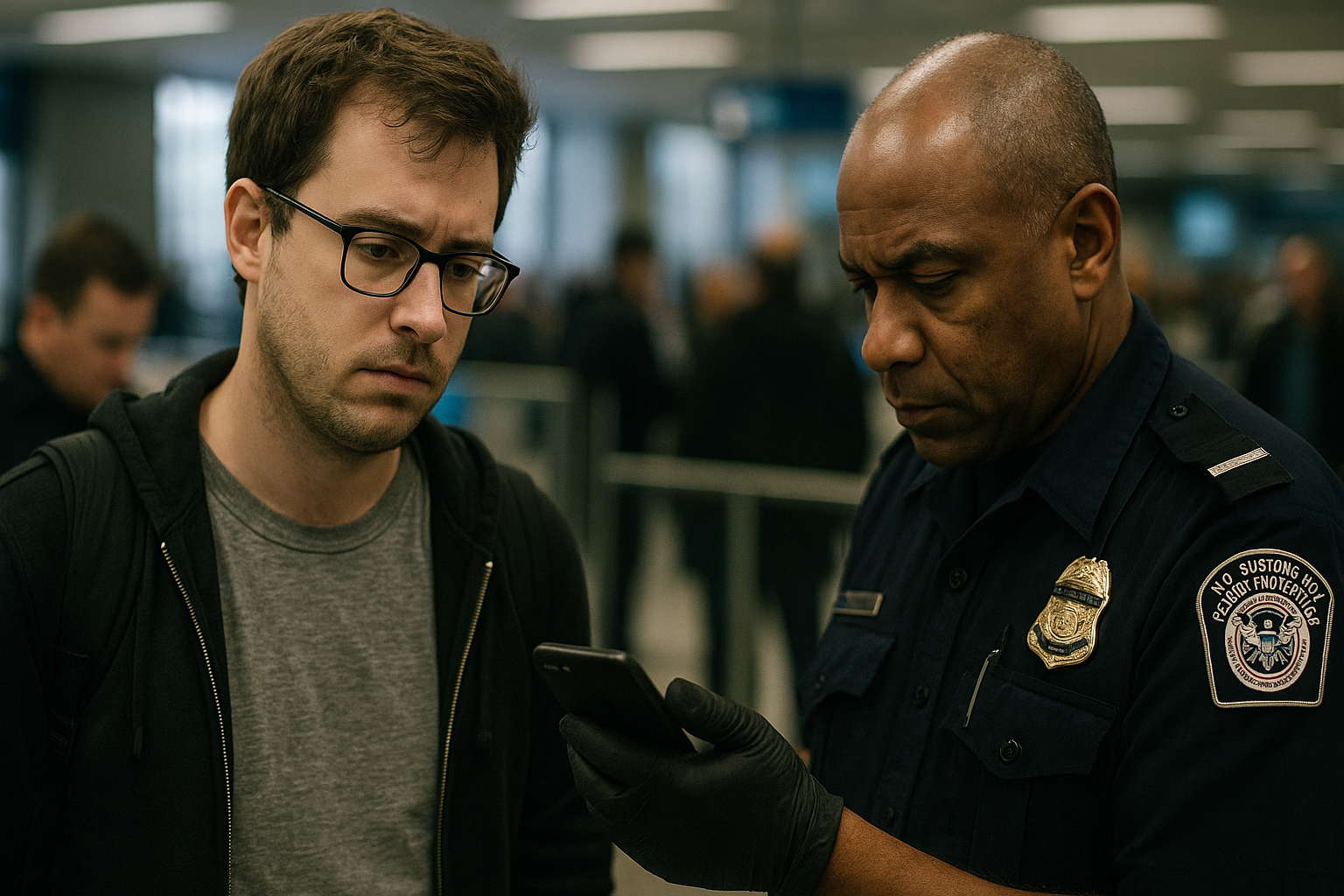
The case of **Samuel Tunick** has sparked a heated debate about **digital privacy rights** in the United States. Tunick, who is facing a felony charge for deleting data from his phone during a customs search at an airport, argues that the government's actions are an invasion of privacy. According to the **New York Times**, Tunick described the government's scrutiny of personal data as "creepy," highlighting a growing concern among travelers about their rights at the border.
The legal landscape surrounding digital **privacy at U.S. borders** is complex and often controversial. Under current laws, customs officials have broad authority to search electronic devices without a warrant. This power has been challenged in court, but the legal standards remain murky. Tunick's case could potentially set a precedent for how digital privacy is treated during customs inspections, influencing future **legal reforms**. The implications are significant, as more Americans rely on their smartphones to store sensitive personal information.
Privacy advocates argue that the current laws are outdated and do not adequately protect individuals' rights in the digital age. They call for clearer guidelines and stronger protections against unwarranted searches. Meanwhile, government officials maintain that such searches are necessary for national security. As Tunick's legal battle unfolds, it could lead to a reevaluation of the balance between privacy rights and security measures at U.S. borders, impacting…