Two New Marine Water Bears Turn a Cape Verde Seamount into a
Senckenberg-led work in ZooKeys names Megastygarctides hekatae and Parastygarctus potercha from Senghor Seamount sediments — 20 tardigrade taxa on the plateau
By World
On **November 20**, researchers led by **Senckenberg am Meer** in Wilhelmshaven unveiled two new marine tardigrades from sediment dredged at **Senghor Seamount**, an undersea mountain east of the **Cape Verde Islands** in the tropical Atlantic. The animals — barely a tenth of a millimeter long — belong to **meiofauna**, seafloor life smaller than a grain of sand.
The species **Megastygarctides hekatae** and **Parastygarctus potercha**, published in **ZooKeys**, came from samples collected aboard Germany's **RV Meteor** in **2009**. **Roman R. Trokhymchuk** of **Naturalis Biodiversity Center** and **Alexander Kieneke** report the first systematic survey of marine tardigrades at the seamount: **20** taxa on its coral-rich summit plateau, versus just **two** at a deep-sea reference site **100 kilometers** farther north.
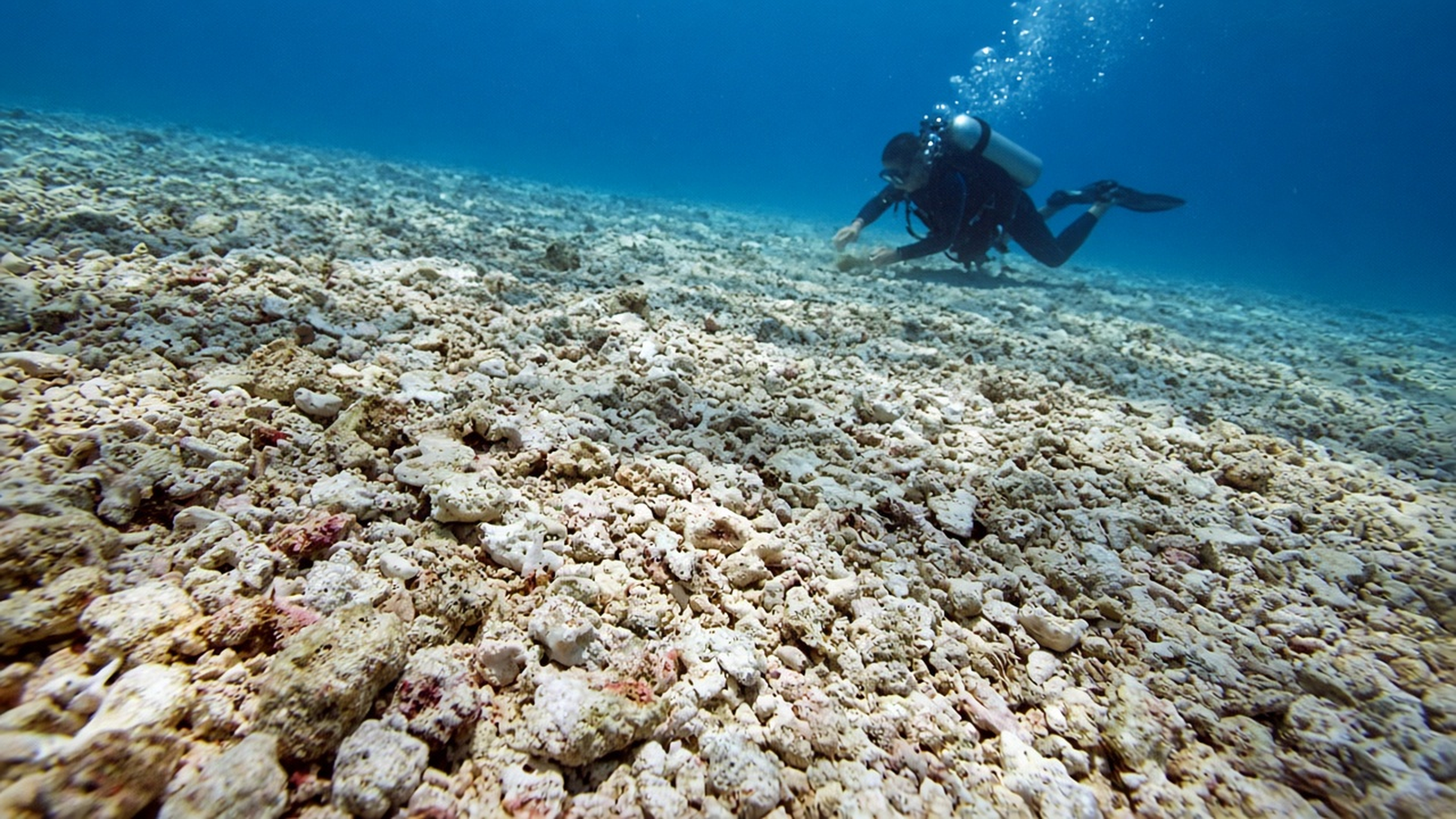
Senghor's summit sits only **100–130 meters** below the surface while the surrounding abyss drops thousands of meters. Broken coral, urchin tests, and shell hash create habitat unlike the fine mud of the open deep. Of **219** tardigrades studied, **212** lived on the summit — evidence that seamounts act as biodiversity islands for animals almost nobody sees.
The newcomers carry rare anatomy. **M. hekatae** bears hollow **genital spines** with small hooks and is the deepest **Megastygarctides** yet logged, near **100 meters** depth. **P. potercha** shows **pedomorphism**: adults keep juvenile traits, including an unusually small body and fewer claws.
Tardigrades survive desiccation and radiation, yet most marine diversity remains unmapped. On **Faroe Bank**, scientists have cataloged **35** species; Senghor now joins that league. Updated keys for both genera should speed surveys of other Atlantic plateaus still missing from deep-sea conservation maps.