U.S.-Venezuela Oil Deal: Economic and Political Implications
The **U.S.-Venezuela oil deal** could reshape global oil markets, impacting prices and political dynamics. What does this mean for international relations and
By USA Pulse
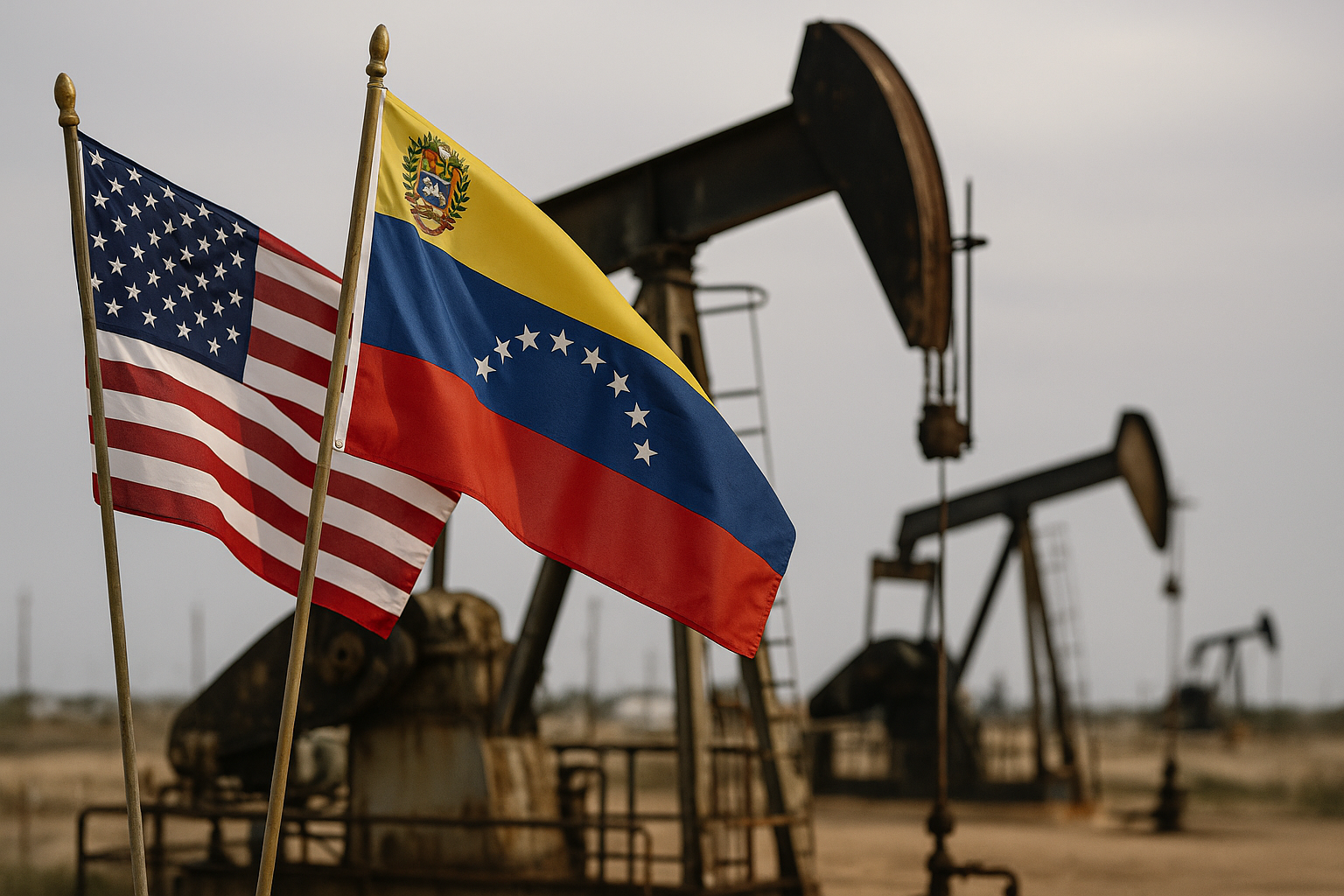
The recent **U.S.-Venezuela oil deal** marks a significant shift in international energy politics. This agreement allows Venezuela to export oil to the United States, potentially easing some of the economic sanctions that have long burdened the South American nation. According to NPR, this move is seen as a strategic effort to stabilize oil prices and diversify U.S. energy sources amid global market fluctuations.
For Venezuela, this deal offers a lifeline to its struggling economy, heavily reliant on oil revenues. The country has faced severe economic challenges due to sanctions and a declining oil industry. By re-entering the U.S. market, Venezuela hopes to boost its oil production and generate much-needed revenue. However, this deal also raises questions about the **political implications**, as Venezuela's government, led by **Nicolás Maduro**, is still under scrutiny for human rights issues.
On the global stage, the deal could influence **international oil prices**. With increased oil supply from Venezuela, the market might see a stabilization or even a reduction in prices. This could affect other oil-producing nations, particularly those in the Middle East, who may need to adjust their production levels to maintain their market share. Additionally, the deal might impact U.S. relations with other countries, as it signals a shift in priorities towards energy security and economic pragmatism over political isolation.
As the world watches the unfolding effects of this…