US Economic Pressure on Iran: Global Implications and Challenges
As US-Iran talks stall, the Trump administration's economic tactics, including a naval blockade, could reshape global geopolitics and economic stability.
By USA Pulse
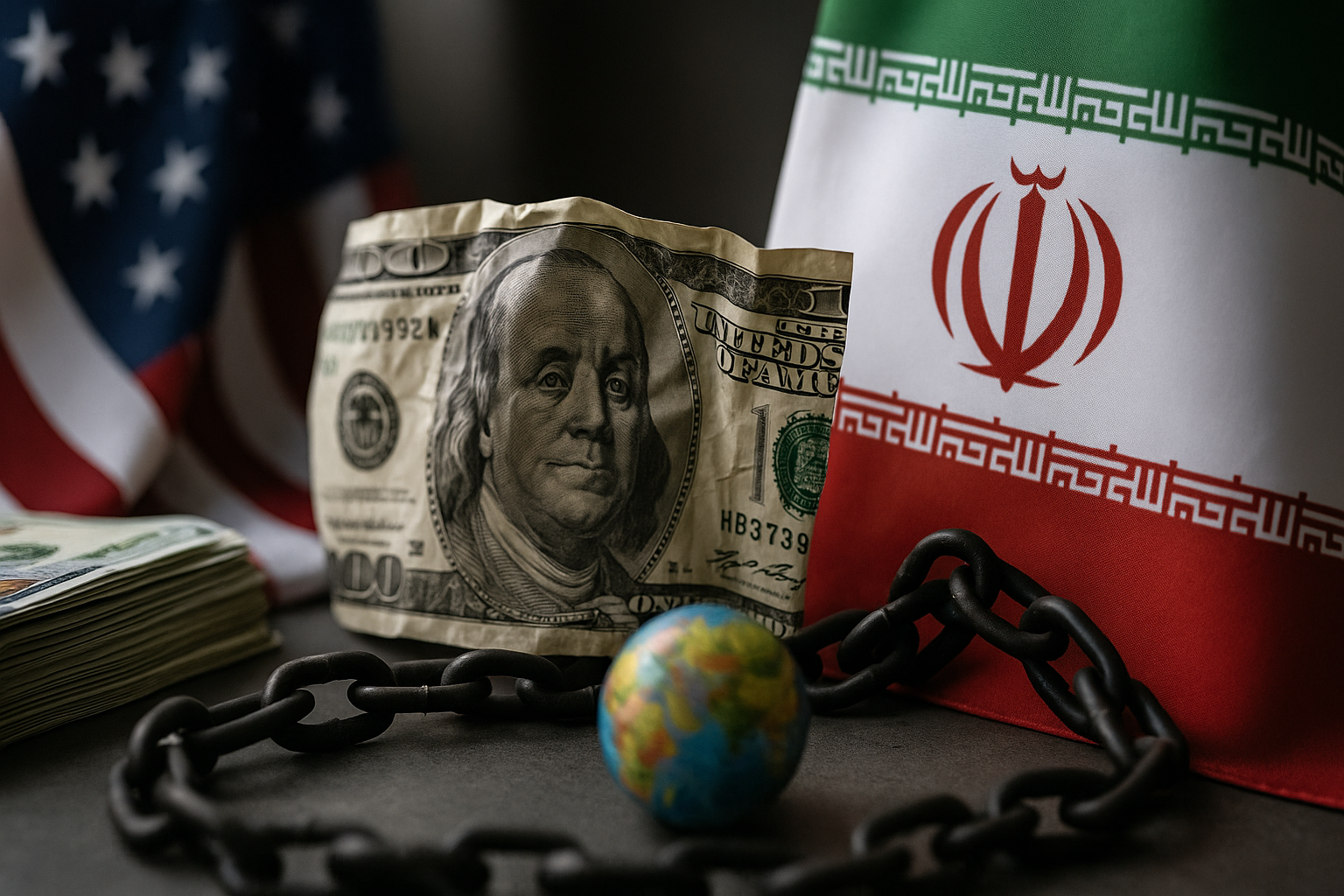
**The Trump** administration has intensified its economic pressure on **Iran**, signaling a strategic shift as diplomatic talks between the two nations have reached an impasse. According to ABC News, the US is not only maintaining a naval blockade in the Strait of Hormuz but is also preparing to announce new sanctions. These measures are part of a broader strategy to curb **Iran**'s influence and nuclear ambitions.
The Strait of Hormuz is a critical chokepoint for global oil shipments, with about a fifth of the world's petroleum passing through this narrow waterway. The US naval blockade aims to restrict **Iran**'s ability to export oil, thereby crippling its economy. However, this move also raises concerns about potential disruptions in global oil supply, which could lead to increased prices and economic instability worldwide. The stakes are high, as any escalation could impact not just regional but global markets. 🌍
While the US administration views these economic pressures as necessary to bring **Iran** back to the negotiating table, the approach is not without risks. The potential for military confrontation in the region remains a concern, with **Iran** likely to respond to these pressures in unpredictable ways. Moreover, the international community is divided on the US's hardline stance, with some allies advocating for a more diplomatic approach.
The global repercussions of the US's economic tactics towards **Iran** are complex and multifaceted. As tensions escalate, the balance between…